The Rainforest Room
The Rainforest Room
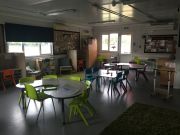
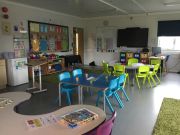
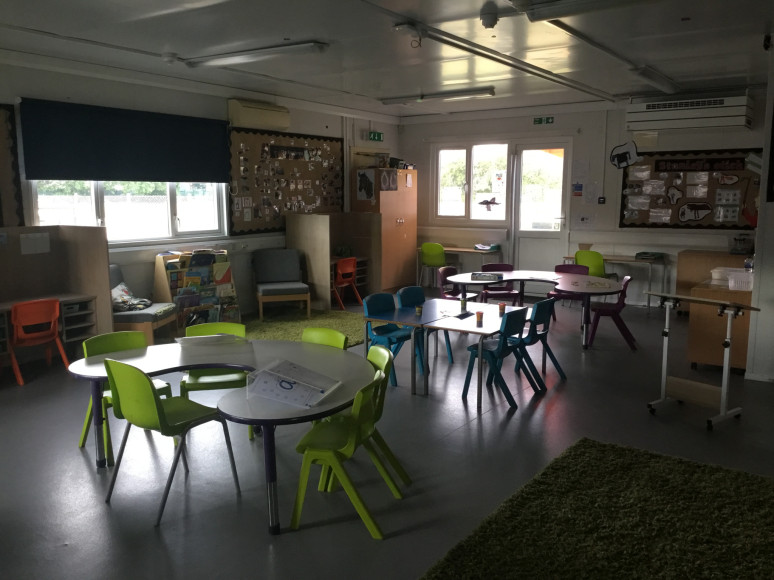
The Rainforest Room is a provision offering a specialist programme, catering to specific needs by a team of SEN specialist Practitioners.
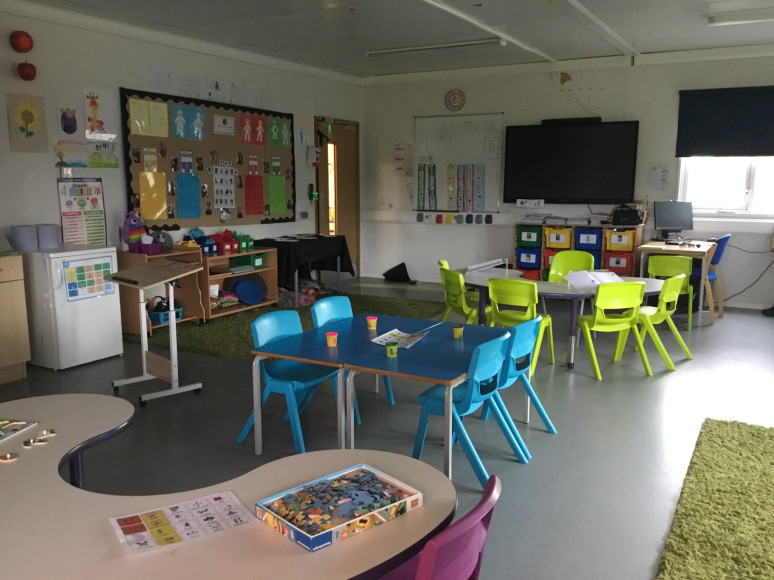
The room is designed to be a calm and nurturing environment that provides children with the resources and provisions they need to thrive.
The Rainforest Team works collaboratively to implement the Section F provisions outlined in a child’s Education, Health and Care Plan (EHCP), ensuring that individualised support is consistently planned, delivered, and reviewed to meet each child’s identified needs.
We are supported by guidance from our Surrey Speech and Language Therapy Assistant, who have worked closely with staff to develop and maintain a communication-friendly environment that promotes effective interaction and accessibility for all children.
This work is further strengthened through multi-agency collaboration with key partners, including Partnership for Inclusion and Neurodiversity (PINS), STIPS, an allocated Educational Psychologist, and Freemantles School.
Together, this coordinated approach ensures that provision is inclusive, responsive, and aligned with best practice in supporting children with additional needs.
The resources available within the Rainforest provision are carefully selected to support children’s emotional and sensory regulation, while also ensuring they remain engaging, accessible, and motivating.
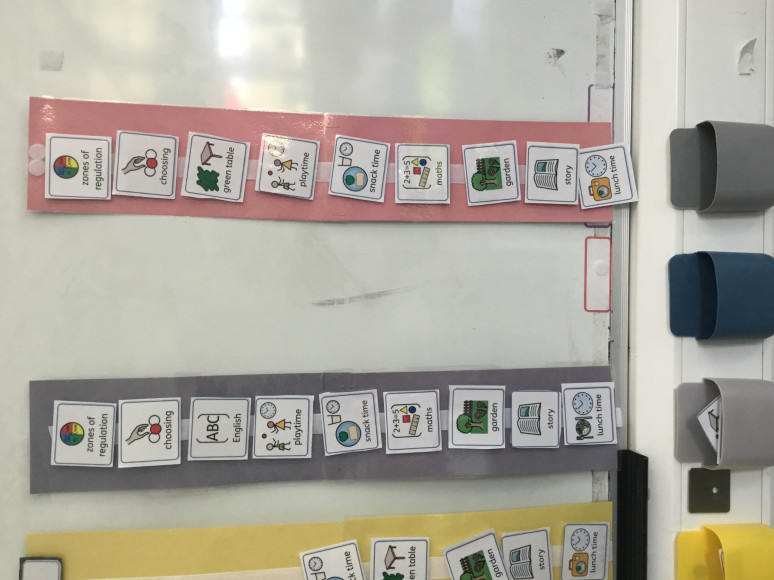
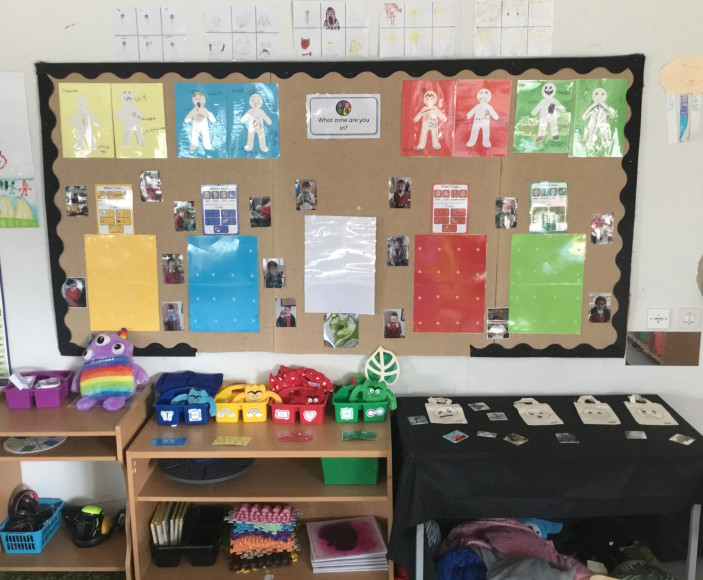
A key approach used is the Zones of Regulation, which is modelled consistently by adults to support children in recognising and identifying emotions in themselves and others. The aim is for children to develop the ability to independently recognise their emotional state and apply appropriate strategies to support self-regulation.
The ‘Colour Monster’ is also used as an engaging and accessible text to support pupils in understanding and exploring emotions, directly linking to individual emotional regulation targets.
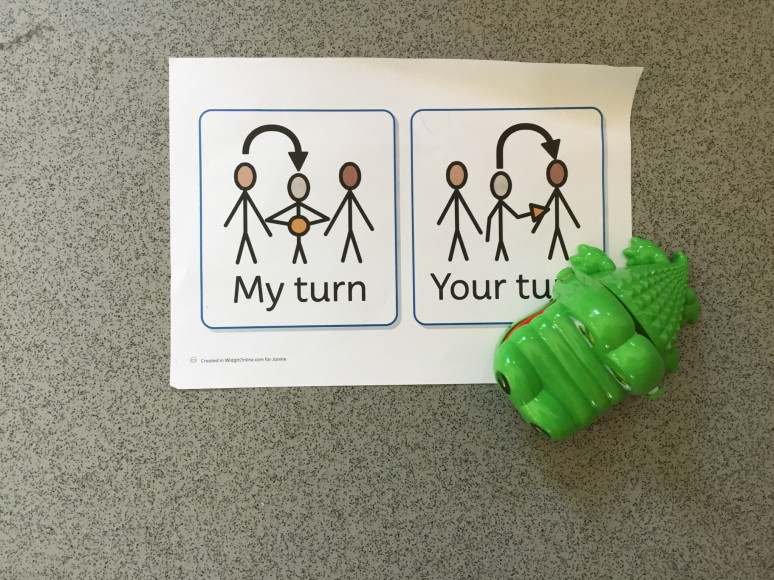
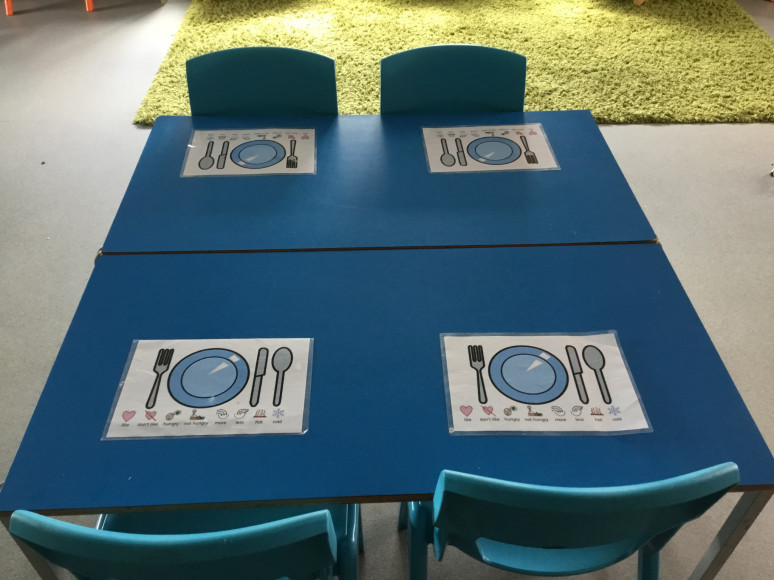
Within the Rainforest environment, Widgit symbols are embedded throughout the routine and curriculum. This visual communication system reduces cognitive load, supports understanding, encourages communication, and promotes independence by providing a consistent and predictable language across the setting.
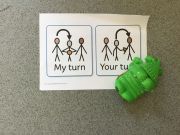
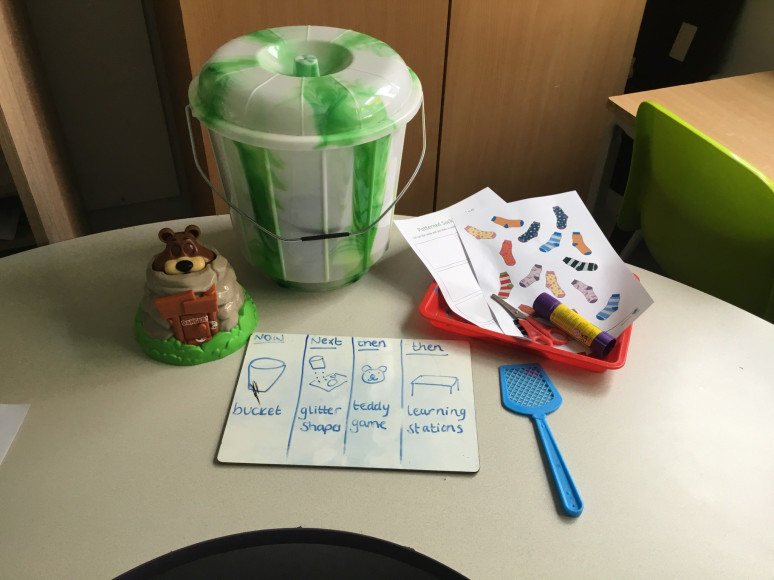
Attention Autism (Bucket Time) is used as a structured intervention to support:
- Engaging attention through focused adult-led activities and shared attention experiences
- Developing communication skills, including both verbal and non-verbal interaction
- Enhancing social skills such as turn-taking, waiting, and shared enjoyment within a group context
- Encouraging spontaneous communication by creating highly motivating and engaging learning experiences
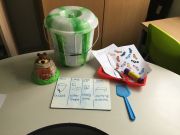
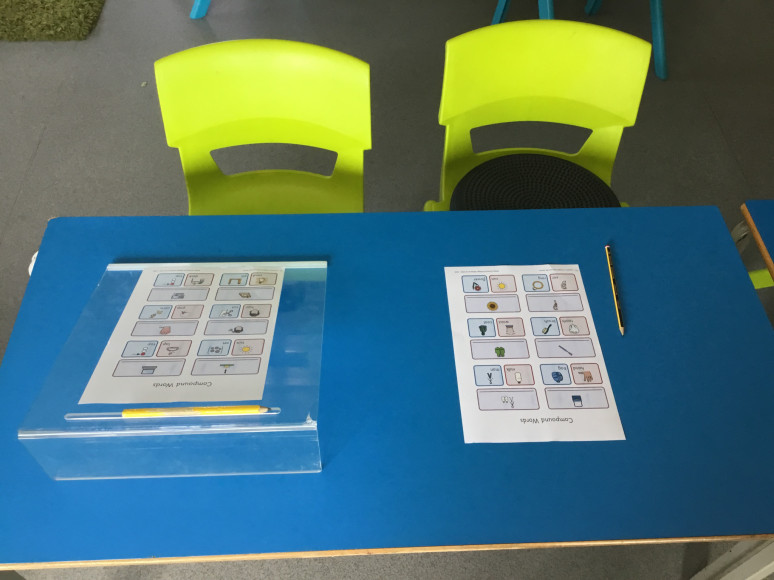
Aided Language boards (ALD) are also utilised to support communication and independence. These:
- Empower pupils to initiate communication and make choices independently
- Support understanding for pupils who process visual information more effectively than spoken language
- Develop vocabulary and support early language and literacy skills through consistent visual representation
- Promote inclusivity by enabling interaction with peers and adults in a meaningful way
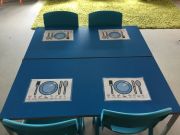
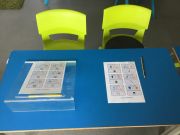
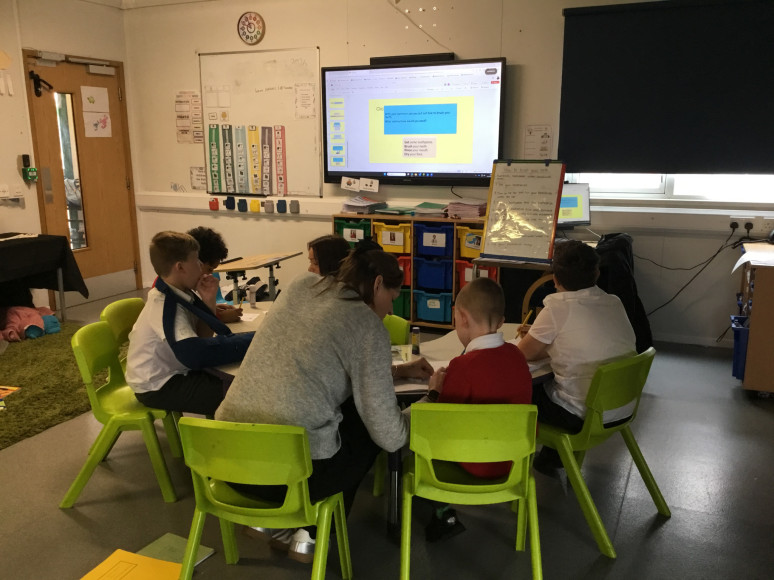
The core offer within the Rainforest provision includes small group teaching for English, Maths, and social skills, delivered with a high adult-to-child ratio to ensure personalised support and targeted intervention. Individual needs are regularly assessed, and appropriate adaptations are made to ensure provision remains responsive and tailored to each pupil’s evolving needs.
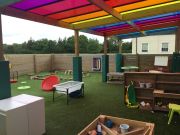
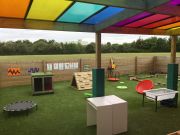
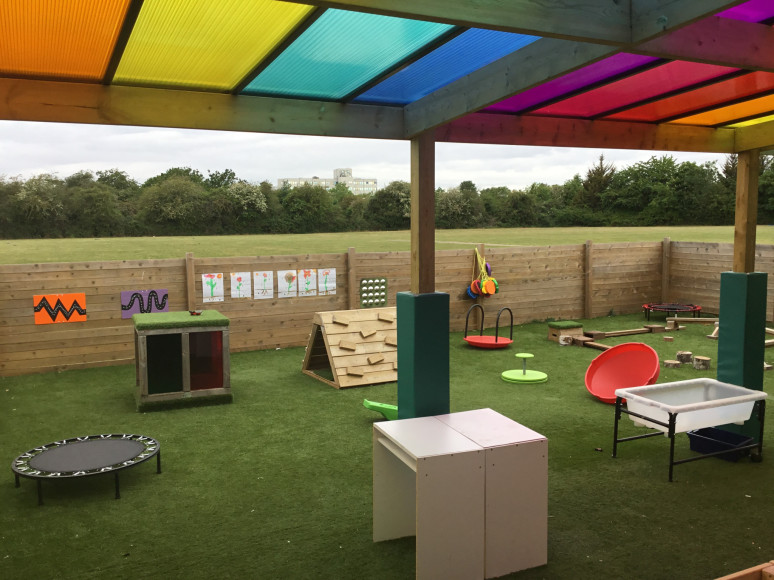
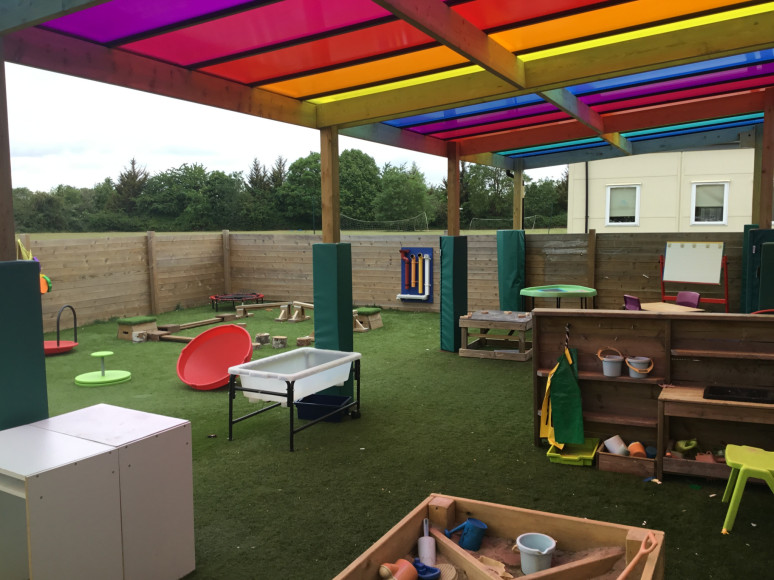
The outdoor area has been thoughtfully developed in line with Occupational Therapy guidance to ensure it provides a rich, accessible, and inclusive sensory environment for all children. It offers a range of sensory stimulation activities designed to support regulation, exploration, and engagement, while also meeting a variety of individual sensory needs.
The space includes opportunities for movement, tactile exploration, and calming experiences, enabling children to both seek and reduce sensory input as required. Resources and activities are intentionally flexible so that they can be adapted to suit different levels of sensory processing, attention, and regulation. This ensures that all children are able to access the outdoor provision in a meaningful way, supporting their emotional wellbeing, physical development, and readiness for learning.